.png)
First-Time Homebuyer Mistakes to Avoid and How to Buy with Confidence

Buying a first home can feel exciting and stressful at the same time. One missed step can cost money, time, or the house you wanted. The good news is that most first-time homebuyer mistakes are easy to avoid with a clear plan.
This guide covers the biggest pitfalls and how to protect yourself before you make an offer.

Build a real budget before you shop
Many buyers start with the home price. That is the wrong starting point.
Start with the monthly payment you can handle without stretching your life too thin. A lender may approve you for more than you want to spend. That does not mean the higher amount fits your budget.
Look at your full monthly picture:
Mortgage principal and interest
Property taxes
Homeowners insurance
HOA dues, if any
Utilities
Groceries, transportation, debt, and savings
Repairs and basic home upkeep
Keep room for life. A home should not leave you unable to save, travel, handle emergencies, or replace a car.
A good rule is to test the payment before buying. Move the estimated housing payment into savings for a few months. If rent is $1,800 and the new home payment may be $2,500, save the $700 difference each month. If that feels tight, adjust the price range.
Tip to avoid this mistake: Set a maximum monthly payment before touring homes. Share that number with your agent and lender. Ask them to keep you inside it.
Get mortgage pre-approval early
Skipping pre-approval is one of the fastest ways to lose time.
A pre-approval gives you a clearer price range. It also shows sellers that a lender has reviewed your financial information. In a competitive market, an offer without pre-approval may look weak.
Pre-qualification and pre-approval are not always the same. A pre-qualification may rely on basic information you provide. A pre-approval usually includes a deeper review of income, credit, debt, and assets.
Before you shop, gather:
Recent pay stubs
W-2s or tax returns
Bank statements
Photo ID
Debt and loan information
Do not make big financial changes during this time. Avoid opening new credit cards, financing furniture, or changing jobs without talking to your lender. These moves can affect approval.
Tip to avoid this mistake: Talk to a lender before you fall in love with a home. Ask for a written pre-approval and confirm how long it is valid.
Plan for costs beyond the down payment
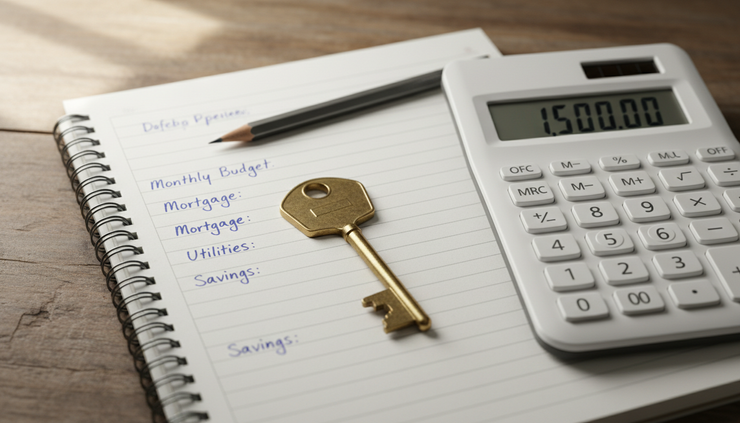
The down payment gets most of the attention. It is not the only cash you need.
Buyers often forget about closing costs. These may include lender fees, title fees, appraisal fees, recording fees, prepaid taxes, prepaid insurance, and other charges. The amount varies by loan, location, and purchase price.
Then comes move-in spending. Even a well-kept home can need money right away.
Common first-year costs include:
Locks and keys
Paint and small repairs
Lawn care tools
Appliances
Window coverings
Utility deposits
Pest control
HVAC service
Plumbing or electrical fixes
Do not empty your savings account to close. A house needs a cushion. Repairs do not wait until your budget recovers.
Tip to avoid this mistake: Ask your lender for an estimate of cash needed to close. Then create a separate emergency fund for the home. Even a modest reserve can stop a small repair from turning into a crisis.
The purchase price is only part of the cost of owning a home. The safer number is the cost to buy, move in, and maintain it.
Research the neighborhood, not just the house
A beautiful kitchen cannot fix the wrong location.
Before making an offer, spend time learning the area. Visit at different times of day. A street can feel quiet on a weekday morning and very different on a Friday night.
Look into the things that affect daily life:
Commute times
Traffic patterns
Nearby grocery stores and services
School options, if relevant
Noise from roads, airports, trains, or venues
Parking
Flood zones or wildfire risk where applicable
Future development nearby
Online maps help, but they do not replace real visits. Walk the block. Drive the commute. Check how long it takes to reach the places you use most.
Also review local rules. Some neighborhoods have HOA restrictions. Others may have city rules on parking, rentals, fencing, or additions.
Tip to avoid this mistake: Make a neighborhood checklist before touring homes. Rate each area, not just each property. The right home should fit your daily routine.

Never skip the home inspection
The home inspection is not just a formality. It helps you understand the condition of the property before you fully commit.
An inspector looks at major systems and visible components, such as:
Roof
Foundation
Plumbing
Electrical systems
Heating and cooling
Windows and doors
Attic and crawl spaces
Drainage and grading
No home is perfect. Even new-looking homes can have hidden issues. The goal is not to find a flawless property. The goal is to know what you are buying.
Inspection results can help you decide whether to move forward, ask for repairs, request a credit, or walk away if the contract allows it.
Extra inspections may make sense for older homes or specific risks. These may include sewer scope, pest inspection, mold assessment, chimney inspection, or structural review.
Tip to avoid this mistake: Hire a qualified inspector and attend the inspection if possible. Ask questions. Use the report to plan for repairs and future maintenance.
Work with the right guidance
First-time buyers do not need to know everything. They need the right people and the right questions.
A good agent can help you compare homes, understand offer terms, review timelines, and avoid emotional decisions. A good lender can explain loan options and payment changes. Together, they can help you move with more confidence.
Before choosing help, ask:
How do you support first-time buyers?
How do you explain costs and timelines?
What should I know before making an offer?
How fast do you respond during active negotiations?
What problems should I watch for in this market?
This is a major purchase. Clear communication matters.
If you want help planning your next step, you can contact Tammy D for homebuying guidance.

FAQ
How much money should a first-time homebuyer save before shopping?
Save for the down payment, closing costs, moving costs, and a home emergency fund. The exact amount depends on the loan type, home price, and local costs.
Is mortgage pre-approval required to make an offer?
It is not always legally required, but many sellers expect it. A pre-approval can make your offer stronger and help you shop in the right price range.
Should I buy a home that needs repairs?
It depends on the repairs, the cost, and your budget. Small cosmetic updates may be manageable. Major roof, foundation, plumbing, or electrical issues need careful review.
Can I back out after a home inspection?
Your options depend on the contract and inspection contingency. Review the terms with your agent before signing and before making any repair requests.
What is the biggest mistake first-time buyers make?
The biggest mistake is buying before knowing the full cost. Budget for the payment, closing costs, repairs, maintenance, and the lifestyle changes that come with ownership.

Buying your first home is easier when you slow down at the right moments. Set a budget. Get pre-approved. Plan for extra costs. Study the neighborhood. Always inspect the home.
This article is for general information only and is not financial, legal, or tax advice. For decisions about your specific purchase, speak with qualified professionals.


Comments