.png)
Hidden Costs of Buying a Home: What Every Buyer Should Budget For

The mortgage payment is only one part of the cost of owning a home. Many buyers plan for the down payment, then get surprised by bills that arrive before closing, at closing, and long after move-in day.
This guide is informational only. Costs vary by state, lender, property, and insurance carrier.
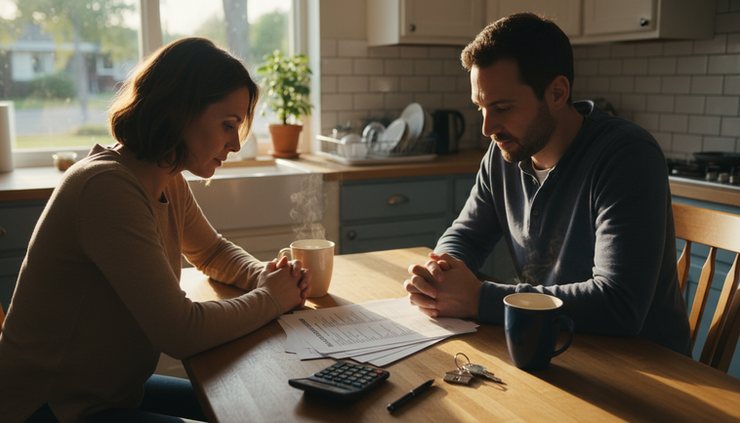
Closing costs can add thousands to the cash needed
Closing costs are the fees paid to finalize the purchase. They are separate from the down payment.
Common closing costs include:
Lender fees
Appraisal fees
Title search and title insurance
Recording fees
Prepaid property taxes
Prepaid homeowners insurance
Escrow setup funds
A common mistake is thinking a $20,000 down payment means $20,000 is all that needs to be brought to closing. In many transactions, the cash needed can be several thousand dollars higher.
For example, a buyer named Marcus saved for years to put 5% down on a starter home. He had enough for the down payment, but his final closing disclosure showed another chunk due for taxes, insurance, and lender fees. He had to use part of his moving budget to close on time.
That does not mean buying was a mistake. It means the plan was too tight.
Budget tip: Ask your lender early for a loan estimate. Then ask what could change before closing. Keep a separate closing reserve so moving costs and repairs do not compete with lender requirements.
Home inspections protect you, but they cost money upfront
A home inspection can feel optional when cash is tight. Skipping it can be expensive.
A general inspection looks at major parts of the home, such as the roof, foundation, plumbing, electrical system, HVAC, attic, and appliances. Depending on the property, buyers may also need separate inspections for pests, sewer lines, wells, septic systems, mold, or structural concerns.
These inspections usually happen before closing. That means the money is due before the home is officially yours.

Consider this example. A buyer was ready to waive extra inspections on an older home to save money. Their agent recommended a sewer scope because mature trees lined the street. The inspection found a damaged sewer line. The buyer used the report to negotiate repairs before closing.
The inspection fee was not fun. The repair would have been much worse.
Budget tip: Set aside money for inspections before you make an offer. Older homes, rural homes, and homes with additions may need more than one inspection. Treat this as risk control, not a nuisance fee.
Property taxes can change your monthly payment
Property taxes are easy to overlook because they do not feel like a purchase cost. Yet they can affect the monthly payment in a big way.
Many homeowners pay property taxes through an escrow account. The lender collects part of the annual tax bill each month and pays the local tax authority when the bill is due.
Here is the catch. Taxes can rise after purchase. A reassessment, local tax change, or loss of a prior owner’s exemption can increase the bill. If escrow falls short, the lender may raise the monthly payment to catch up.
A couple bought a home after seeing a monthly payment estimate that fit their budget. The next year, their escrow analysis showed higher taxes and a shortage. Their payment jumped. They had planned for furniture, not a higher escrow bill.
Budget tip: Look up the current property tax bill, but do not stop there. Ask whether the home may be reassessed after sale. Check whether the current owner has exemptions that may not apply to you. Then build breathing room into the monthly budget.
Maintenance and repairs start right away
Renters often call a landlord when something breaks. Homeowners call a contractor, then pay the invoice.
Maintenance is not only for broken items. It includes routine care that keeps small problems from turning into major ones.
Plan for costs such as:
HVAC service
Gutter cleaning
Lawn care or tools
Plumbing repairs
Appliance replacement
Roof repairs
Caulking, sealing, and pest control

New buyers often spend heavily right after closing. Paint, furniture, blinds, and tools add up fast. Then the water heater starts leaking.
One homeowner moved in during spring and spent the first month making cosmetic updates. By July, the air conditioner failed during a heat wave. The repair drained the emergency fund. The house looked better, but the budget was stressed.
Budget tip: Keep a home repair fund separate from savings used for closing. Many owners aim to save a steady amount each month for maintenance. The right amount depends on the home’s age, size, condition, and climate.
Homeowners insurance is not a one-time checkbox
Lenders usually require homeowners insurance. Even without a loan, it protects against major losses.
Premiums vary based on location, home age, roof condition, coverage level, deductible, claims history, and local risks. In some areas, buyers may also need flood insurance, wind coverage, earthquake coverage, or higher liability protection.
Do not choose a policy based on the lowest premium alone. A cheap policy with weak coverage can be costly after a claim.
Budget tip: Get insurance quotes before the inspection period ends. Ask what is excluded. Ask whether the roof, plumbing, or electrical system affects eligibility or price. If the home is in a flood zone, quote flood insurance early.
How to build a better homebuying budget
A good budget includes more than the sale price. It includes cash due now, cash due at closing, and cash needed after move-in.
Use this simple framework:
Cost category | What to plan for |
Before closing | Inspections, appraisal, application costs |
At closing | Down payment, lender fees, title fees, prepaid taxes and insurance |
Monthly ownership | Mortgage, taxes, insurance, utilities, HOA fees if any |
Ongoing upkeep | Maintenance, repairs, tools, service calls |
Emergency reserve | Major repairs, escrow increases, insurance deductible |
Budget tip: Do not spend every dollar to buy the house. A home that leaves no room for repairs can become stressful fast.
Before making an offer, price out the full picture. If help would make the numbers clearer, contact Tammy D for homebuying guidance.

FAQ
How much should I budget for closing costs?
Many buyers plan for closing costs as a separate cash amount in addition to the down payment. Ask your lender for a loan estimate early, then keep extra savings available in case prepaid taxes, insurance, or escrow deposits change.
Should I still get a home inspection on a newer home?
Yes. Newer homes can still have issues with construction, grading, electrical work, plumbing, or HVAC systems. An inspection gives a clearer view before closing.
Can property taxes increase after I buy?
Yes. Taxes may rise after a sale, reassessment, local rate change, or escrow review. Check local rules and ask about exemptions that the current owner may have.
What is the biggest hidden cost after moving in?
Repairs often hit hardest because they are unpredictable. HVAC systems, water heaters, roofs, and plumbing can create large bills with little warning.
Is homeowners insurance included in the mortgage payment?
Often, yes, if the lender uses an escrow account. The lender collects part of the annual premium each month. Still, the policy cost can change at renewal.
Plan for the house, not just the purchase
Buying a home works best when the budget includes the full cost of ownership. Closing costs, inspections, taxes, repairs, and insurance are not side details. They are part of the price.
Leave room for them from the start. That one choice can make the first year in a new home calmer, safer, and easier to manage.


Comments